By AROMAMATRIX Project Team
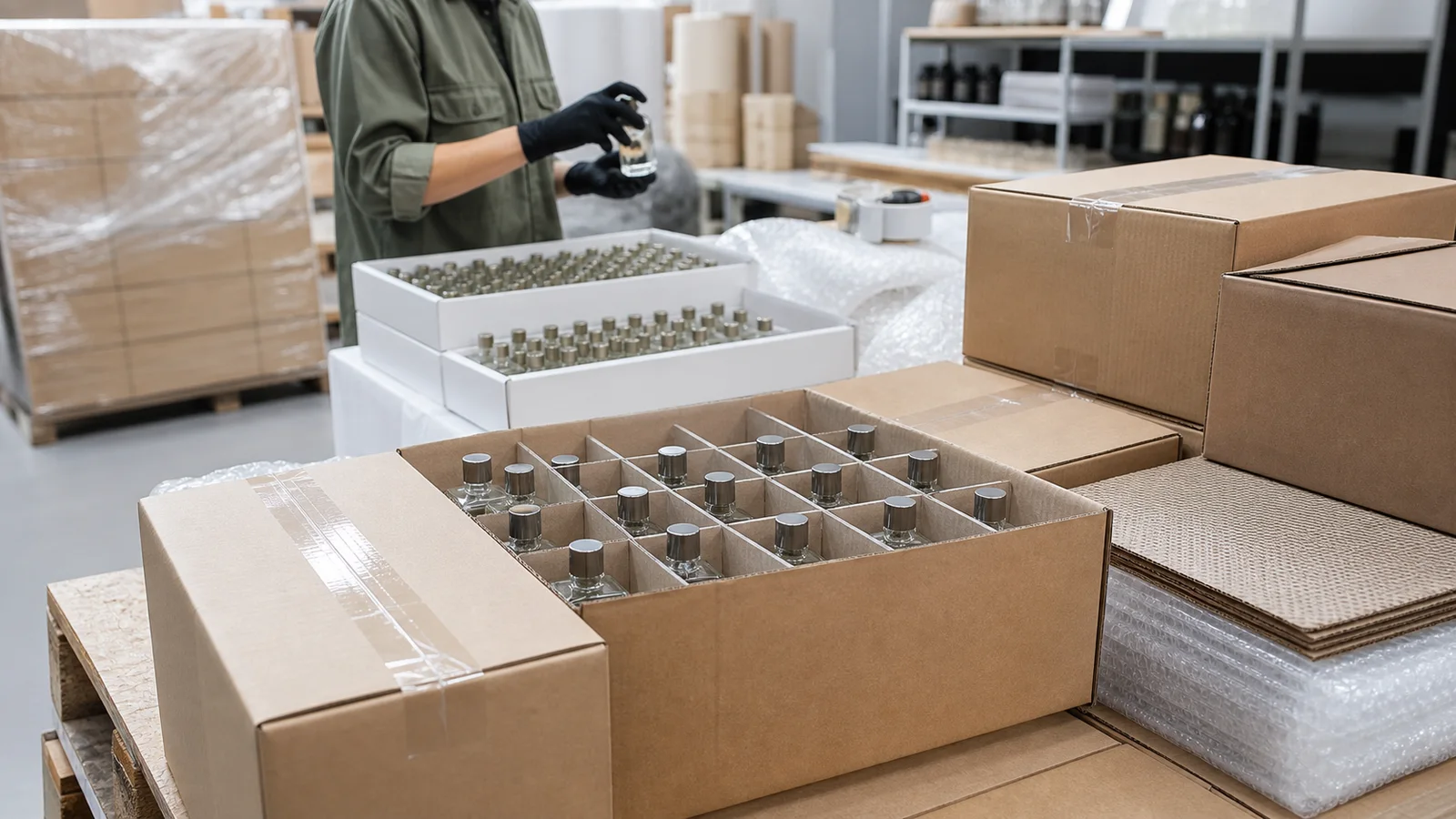
To import perfume successfully, decide who is responsible for product compliance, dangerous-goods transport and customs clearance before production starts. These are different jobs, and an unclear Incoterm does not assign them safely.
The importer or another designated responsible party should review the formula information, safety documentation, claims and final label under local cosmetic rules. Factory documents support this work, but they are not automatic market approval. Complete the regulatory review before printing cartons; correcting an ingredient statement or responsible-party address after production can be expensive.
Alcohol-based perfume is commonly treated as dangerous goods for transport. The forwarder may need the product identity, composition or SDS information, flash point, bottle volume, number of units, inner and outer packing, gross weight, origin and destination. “Cosmetics” is not a sufficient booking description.
Carrier acceptance depends on the route, mode, quantity and packaging. Do not assume a courier, airline or sea consolidator will accept the shipment because another provider accepted a small sample parcel.
The commercial invoice, packing list, product description, country of origin, carton marks and transport documents should describe the same goods. Discuss HS classification with a qualified customs broker in the importing country; the manufacturer can provide product information but should not make the importer's final classification decision.
Add international freight, dangerous-goods handling, insurance, duties, taxes, brokerage, port or terminal fees, storage and final delivery. Ask what happens if customs requests additional information or the carrier rejects the planned route. The cheapest factory quotation may not create the lowest landed cost.
A practical sequence is: regulatory review, label approval, freight feasibility check, production, pre-shipment documents, booking and destination customs preparation. Keeping these tasks in this order prevents a finished perfume order from waiting while the buyer searches for an eligible transport route.