
Alcohol-Free Perfume Manufacturing: Formats and Trade-Offs
Alcohol-free perfume manufacturing is not simply standard perfume with ethanol removed. Practical guidance for B2B perfume buyers.
Read Full GuideScent Sourcing Industry Insights, Guides & Perfume Marketing Advice
Showing 59 guides
Alcohol-free perfume manufacturing is not simply standard perfume with ethanol removed. Practical guidance for B2B perfume buyers.
Read Full Guide
Several scents cannot automatically be combined to meet one perfume MOQ. Each fragrance creates its own liquid batch, identification, filling changeover and artwork controls.
Read Full Guide
Crimp and screw perfume pumps solve the same closure problem with different assembly, appearance and rework characteristics.
Read Full Guide
A custom perfume bottle can mean decorating stock glass or developing a new glass mold. The first question is therefore not “Can this shape be made?”
Read Full Guide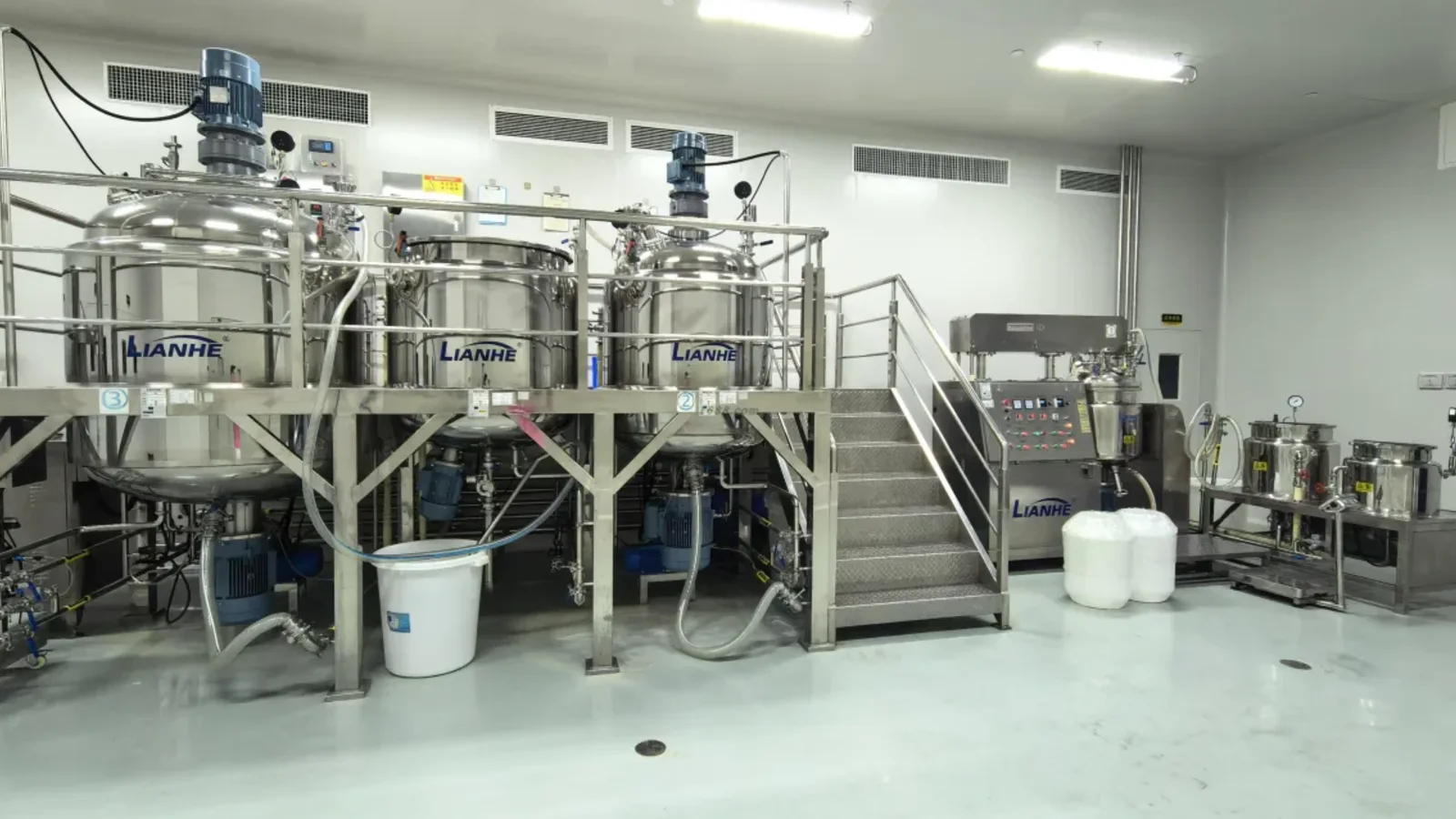
Customer-supplied perfume packaging can reduce sourcing work only when the components arrive with usable specifications, quantities and responsibility rules.
Read Full Guide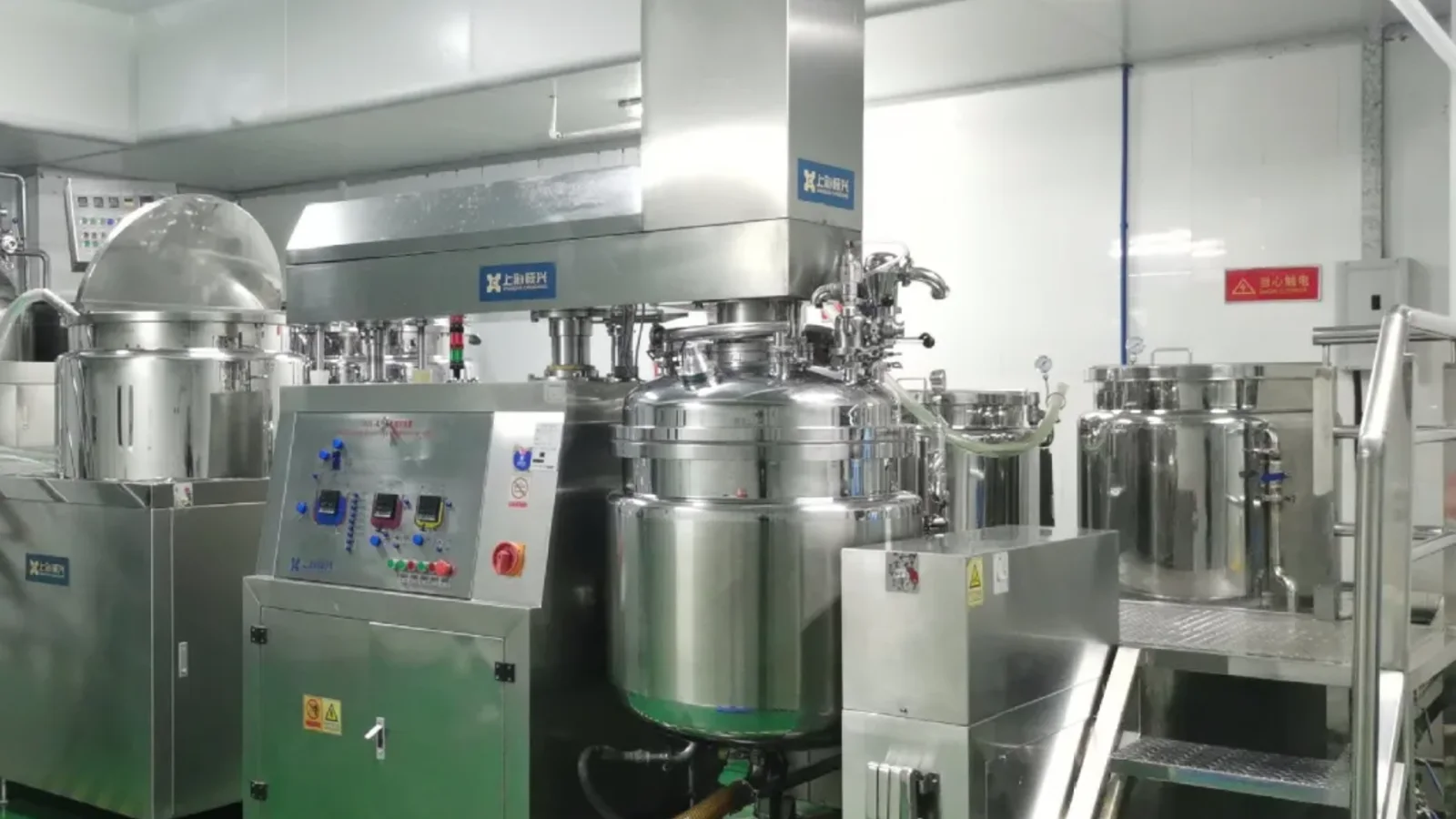
EDP, EDT and extrait are useful positioning terms, but they do not guarantee one universal fragrance percentage or performance level.
Read Full Guide
CPNP is the EU notification portal for cosmetic products; it is not a factory certificate. Separate factory documents from market-entry responsibilities.
Read Full Guide
EU perfume label planning belongs at the start of packaging design. The Responsible Person and safety assessor need the actual formula and market plan before mandatory text can be finalized.
Read Full GuideFor perfume brands entering the United States, MoCRA creates responsibilities that should be assigned before launch.
Read Full Guide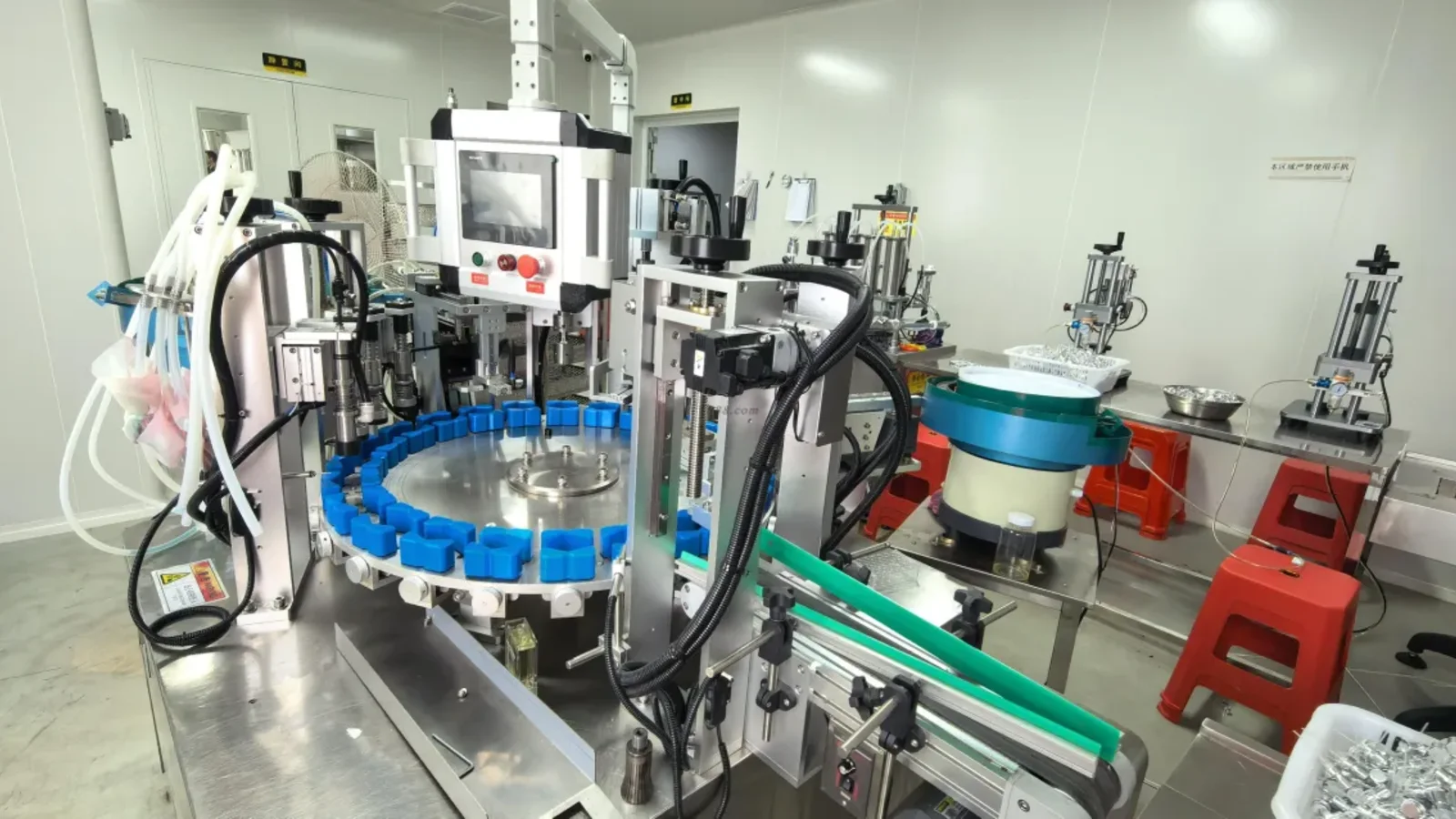
A five-day raw-material procurement period is one purchasing milestone, not the total perfume delivery time.
Read Full Guide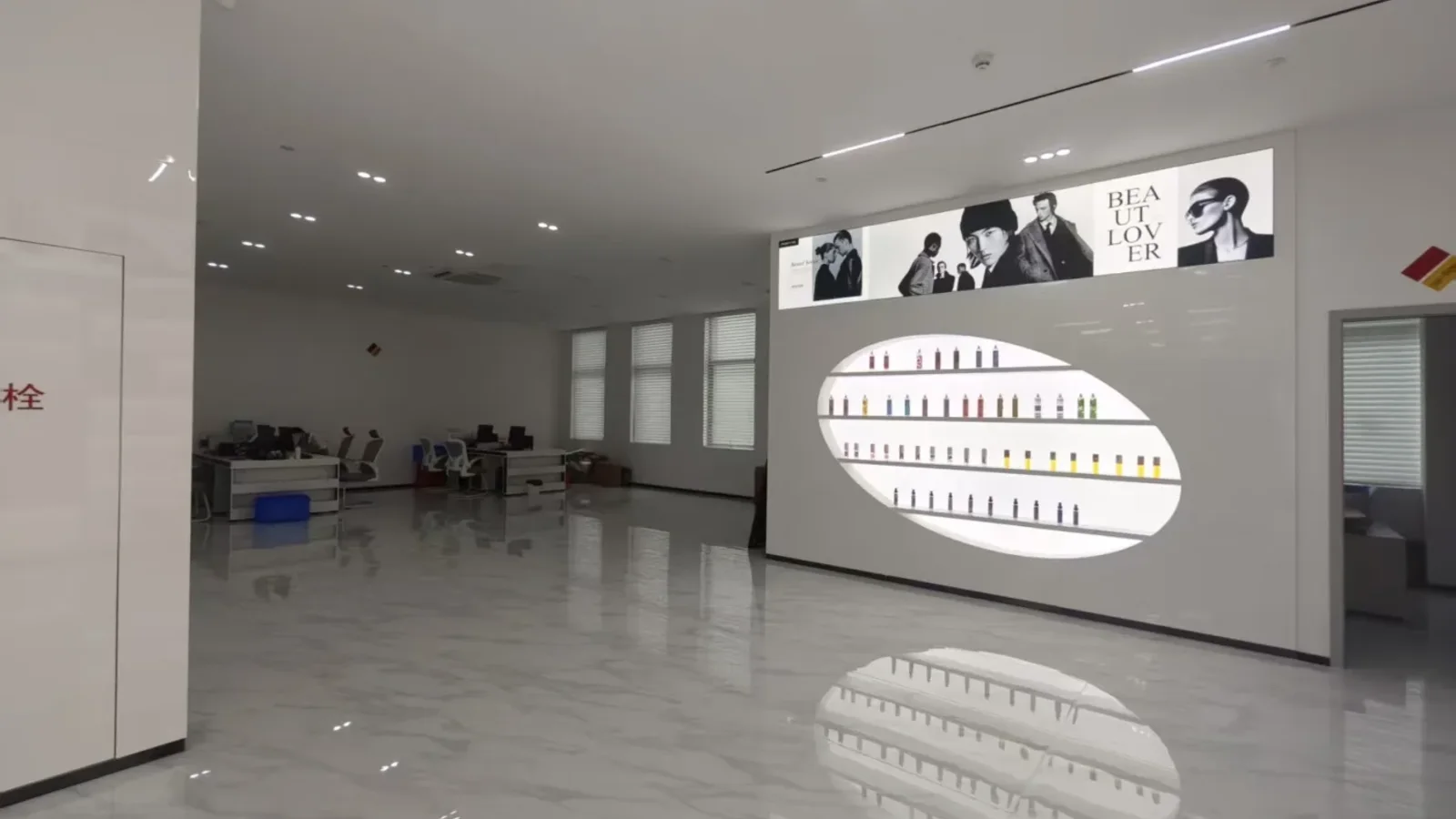
Perfume samples should answer a specific question: which fragrance direction is ready to move forward? Use evaluation samples to make a clear production decision.
Read Full Guide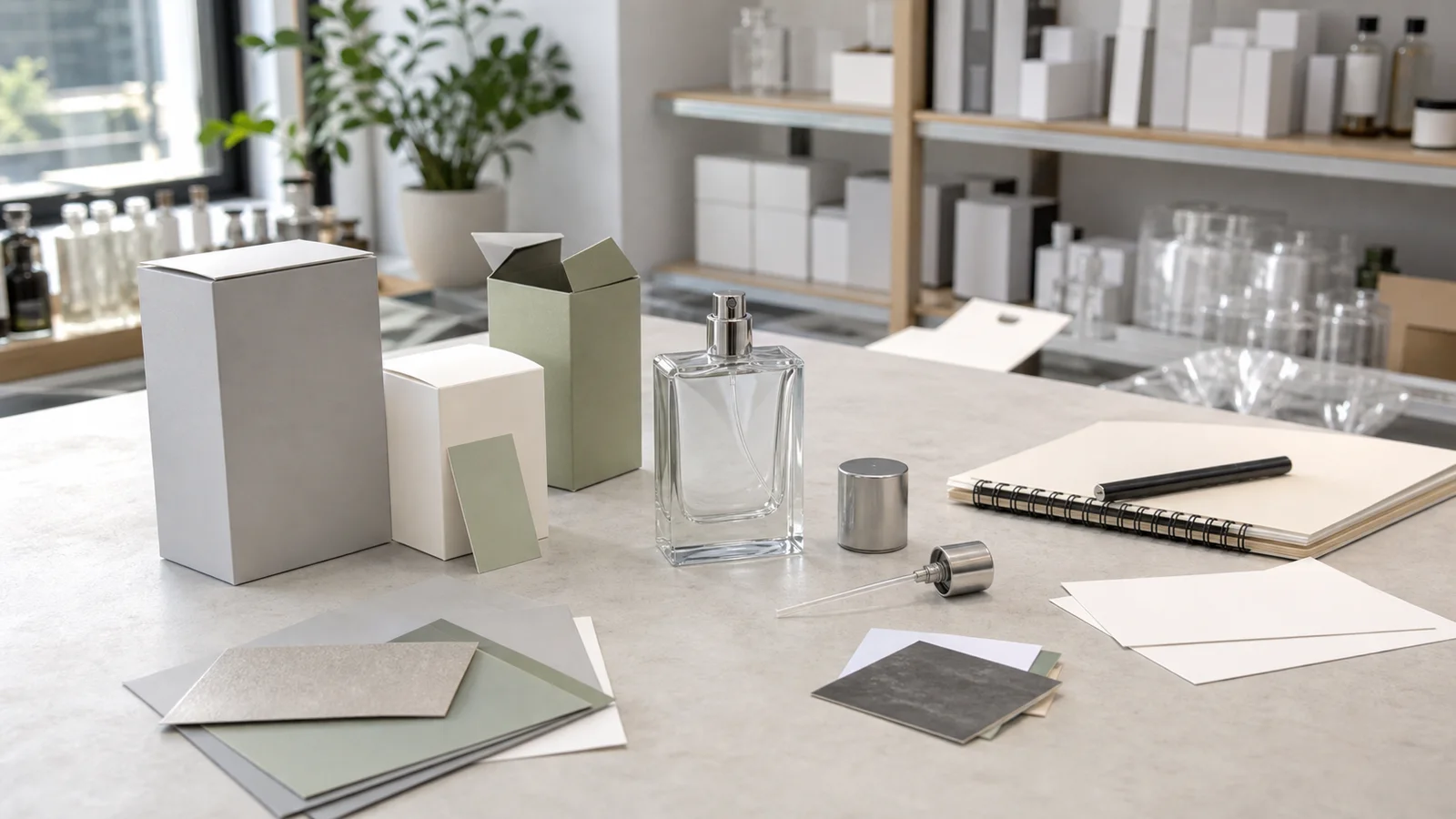
There is no honest single answer to “how much does private label perfume cost?” until the product has been defined.
Read Full Guide
A contract fragrance manufacturer should be evaluated by the evidence behind its process: what it controls in-house, how it approves materials, and how it connects your specification to the finished batch.
Read Full GuideCompare perfume manufacturers with one written brief and one evidence checklist. Learn what evidence to request before selecting a factory.
Read Full Guide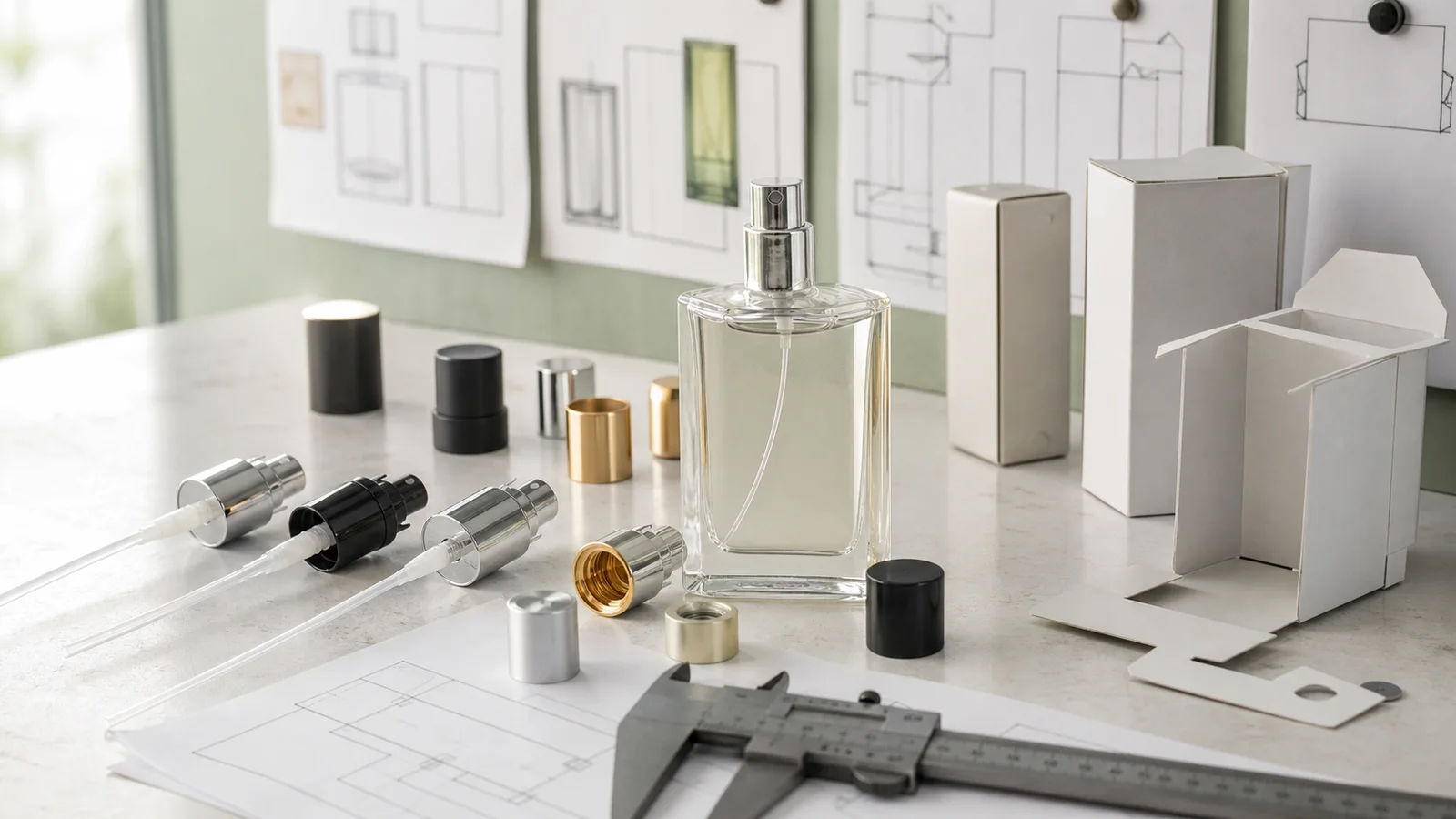
Good perfume bottle suppliers sell a working packaging system, not just attractive glass. Review the component and approval decisions that affect production.
Read Full Guide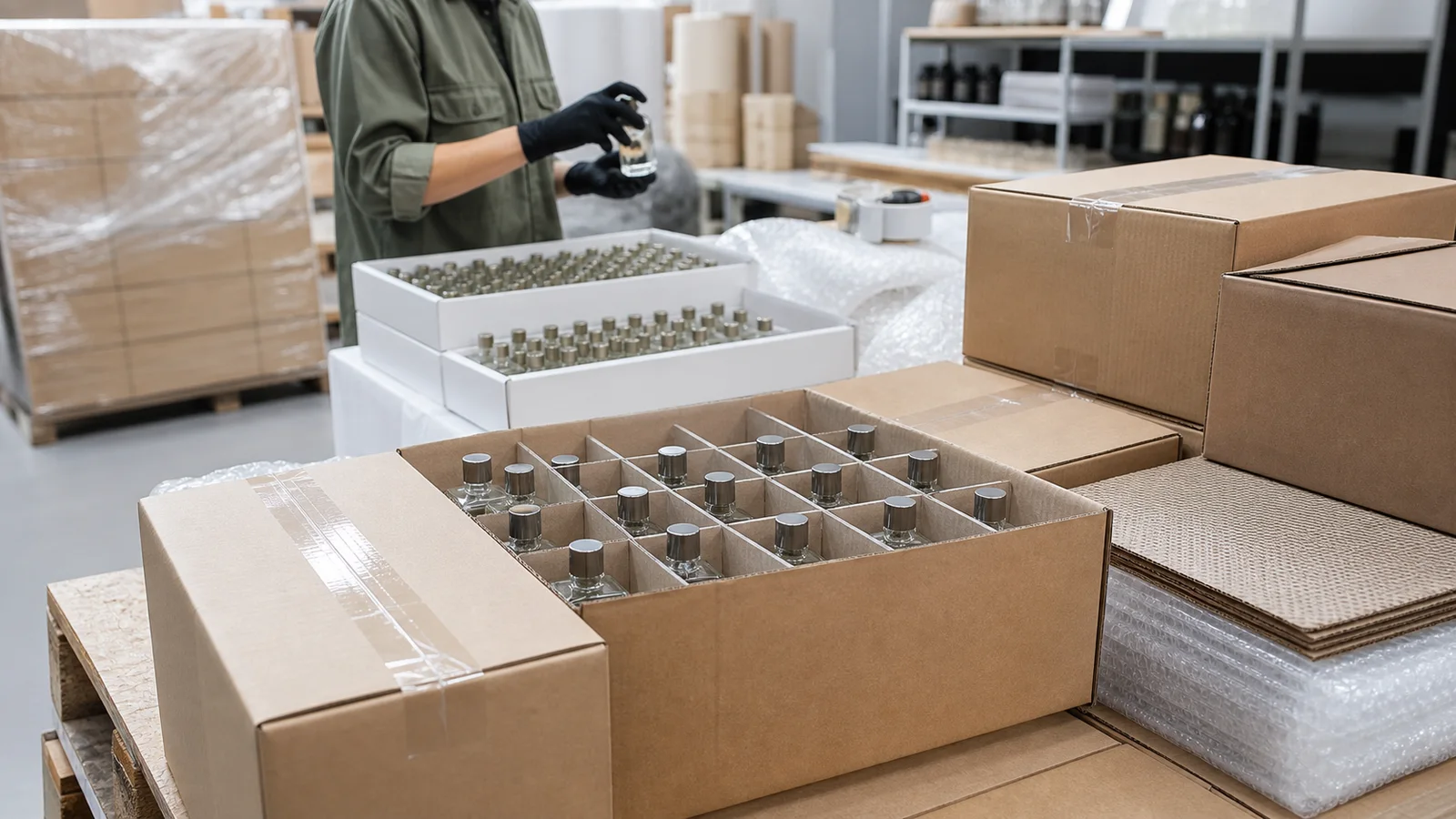
To import perfume successfully, decide who is responsible for product compliance, dangerous-goods transport and customs clearance before production starts.
Read Full Guide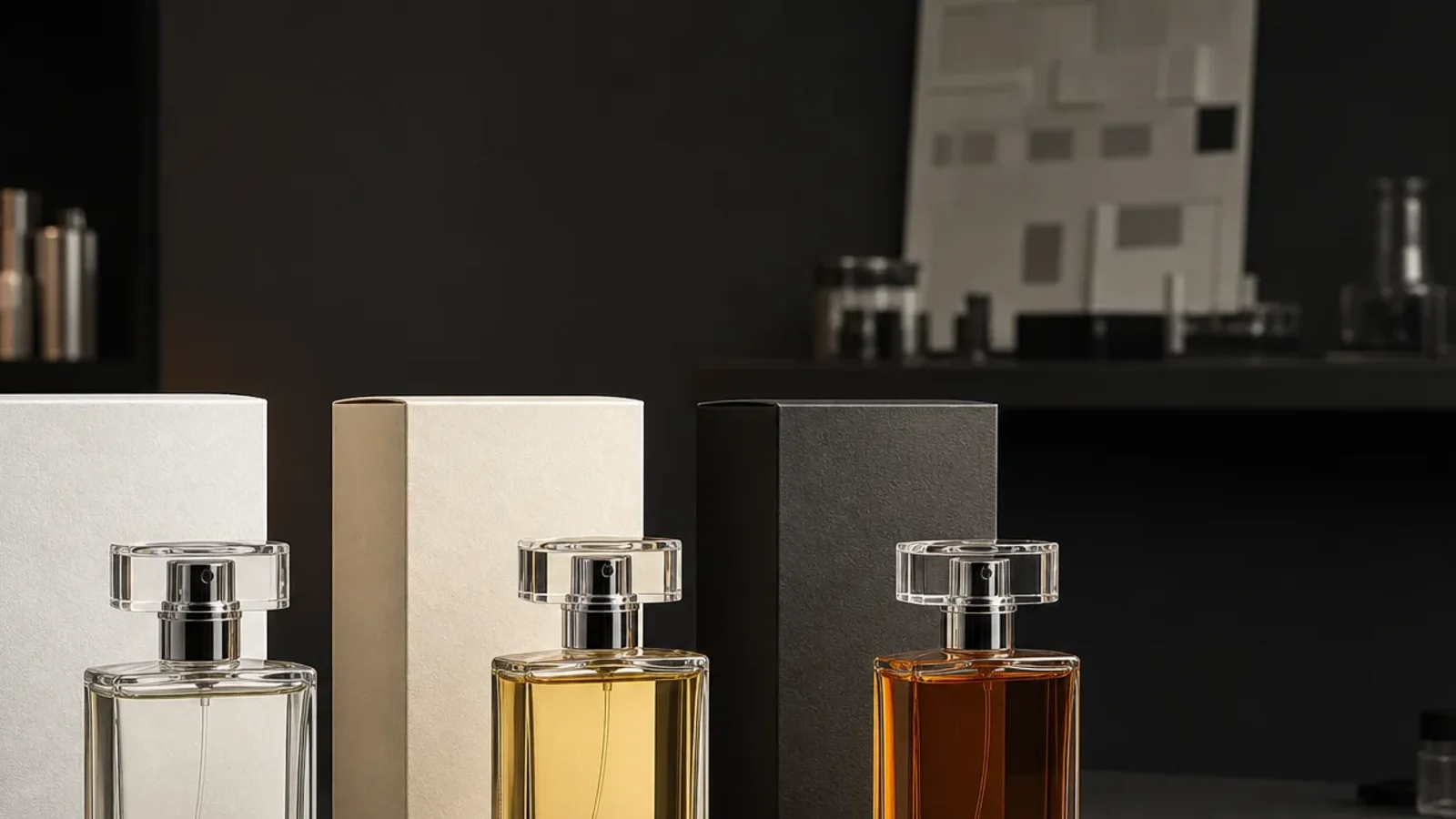
To request a useful perfume quote, give the manufacturer enough information to price one product rather than guess between many possible versions.
Read Full GuideTo ship perfume samples internationally, first confirm that the carrier accepts the actual alcohol-based product on the intended route.
Read Full Guide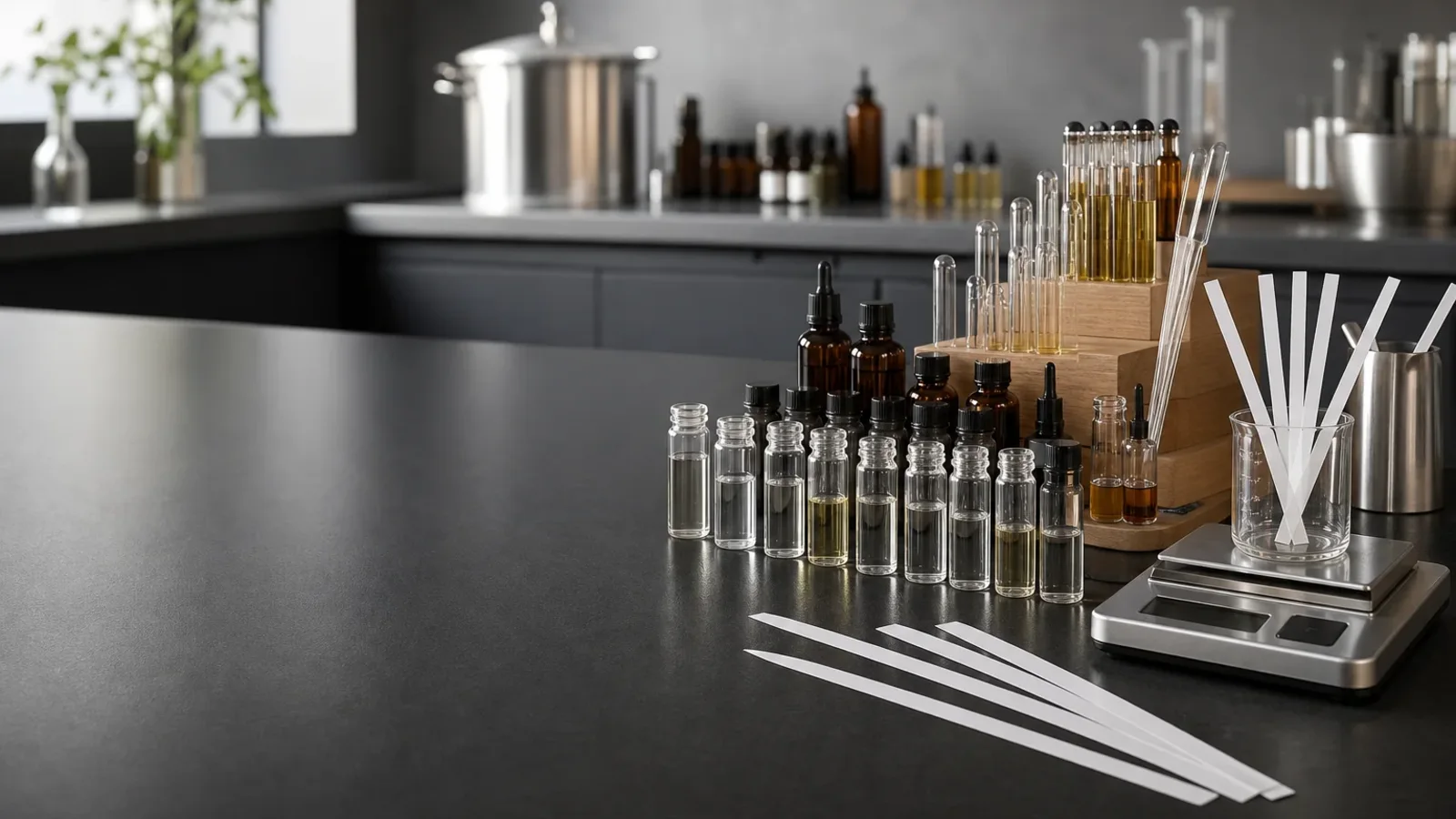
A fragrance brief should help a perfumer make choices. Replace abstract praise with boundaries: who will wear it, where, at what price and how it should feel beside competing products.
Read Full GuideAn IFRA Certificate of Conformity is a statement issued by the supplier of a fragrance mixture for a defined intended use.
Read Full Guide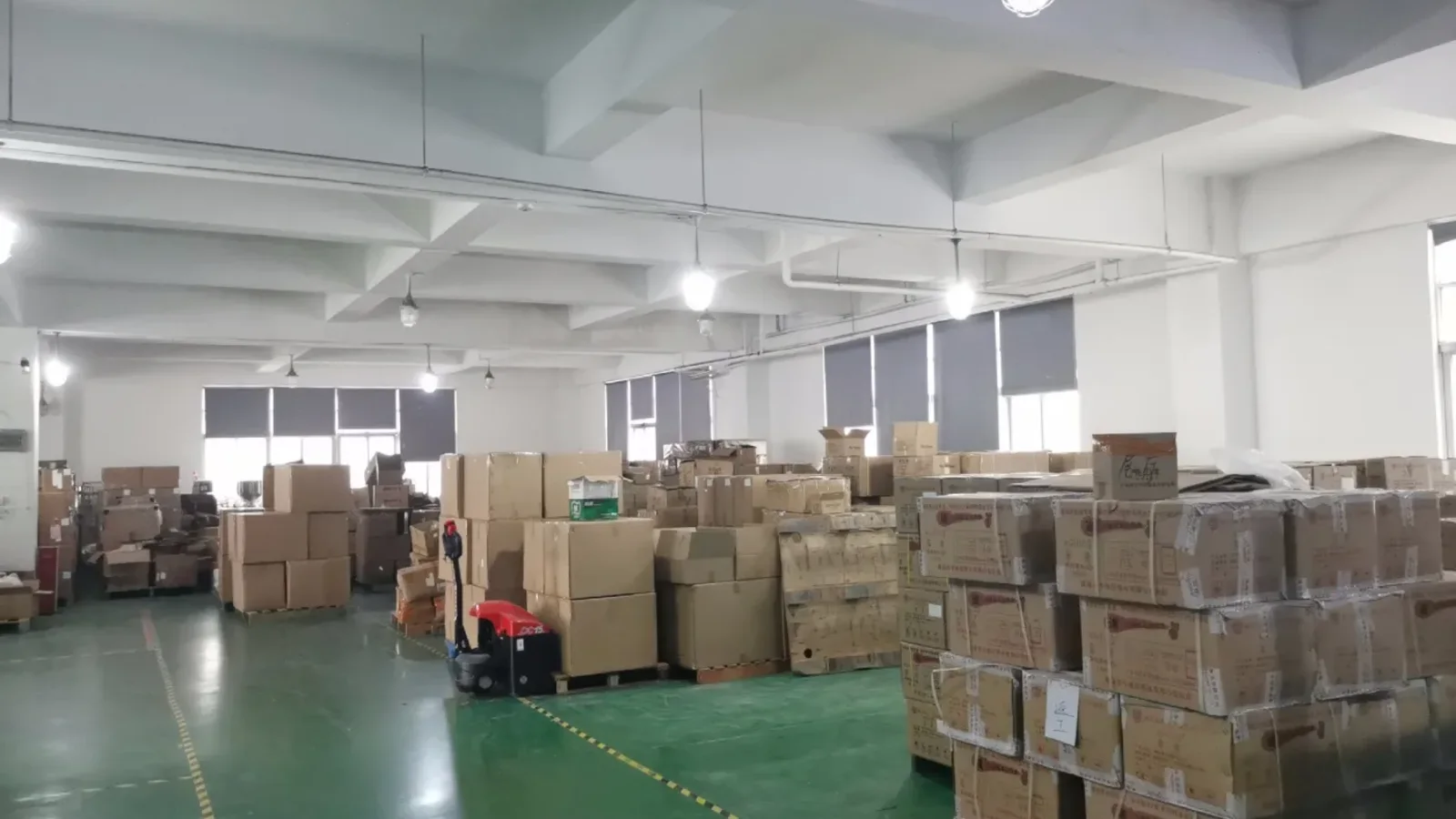
Before importing perfume from China, close the gaps between the sales contract, destination compliance and freight booking.
Read Full GuideInternational perfume shipping options are constrained by dangerous-goods acceptance. Compare routes by eligibility and total landed outcome before comparing transit time.
Read Full GuideISO 22716 provides guidelines for cosmetic good manufacturing practices covering production, control, storage and shipment.
Read Full Guide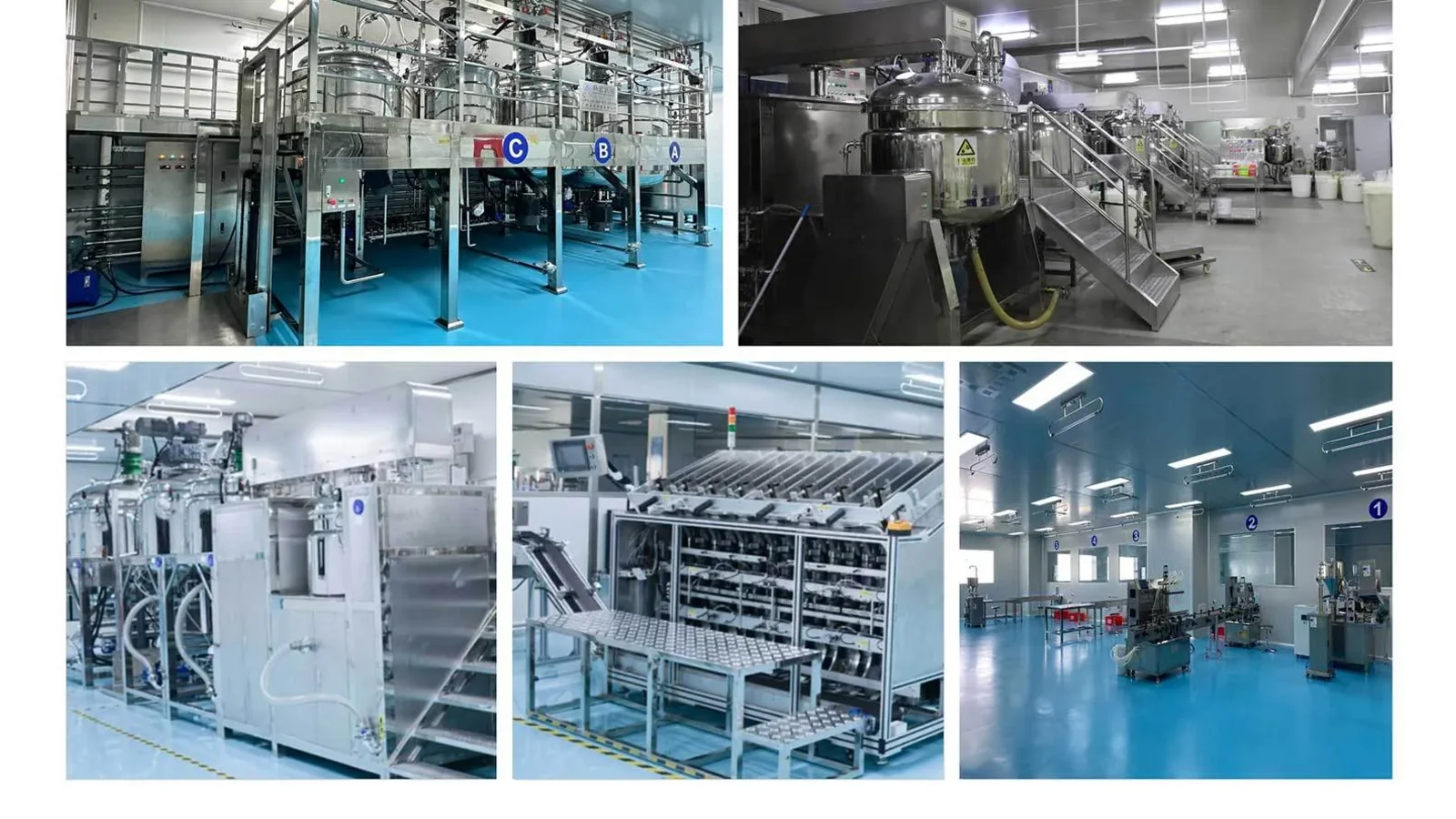
Searching for “OEM perfume China” produces factories, traders and packaging suppliers using overlapping language. Buyers should verify the actual manufacturing scope before comparing prices.
Read Full Guide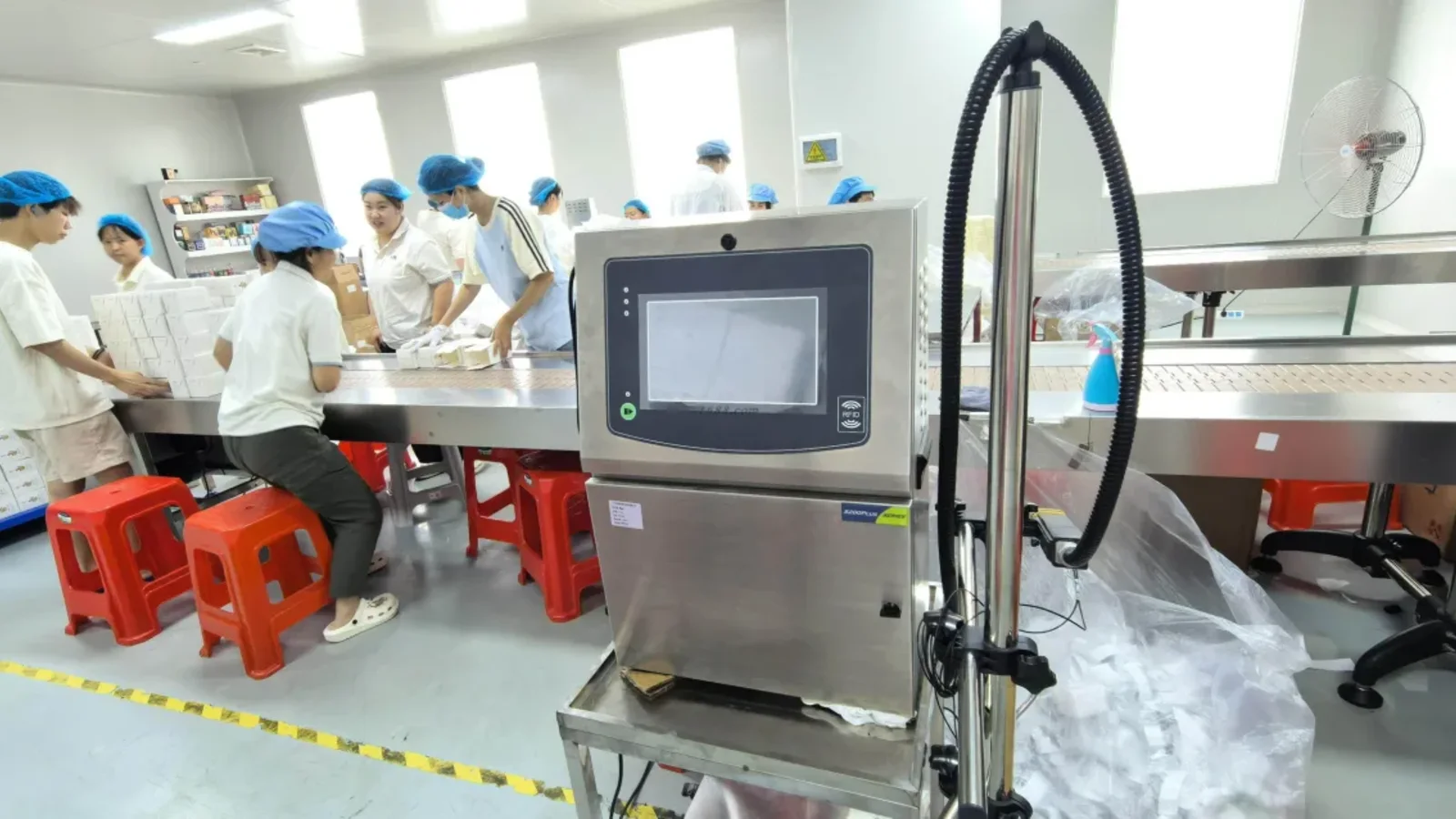
Perfume batch consistency comes from controlling references and process variables, not expecting raw materials to have no natural variation.
Read Full GuidePerfume bottle decoration should be selected by material, artwork, quantity and durability—not from a rendering alone.
Read Full GuideA perfume box has three jobs: protect the bottle, carry required information and present the brand. Structural design should begin with the actual bottle and cap, not a guessed dimension.
Read Full GuideThe best questions to ask a perfume manufacturer reveal responsibility and evidence, not just price. Learn what evidence to request before selecting a factory.
Read Full GuidePerfume branding is the set of expectations created before, during and after someone smells the product. Practical guidance for B2B perfume buyers.
Read Full GuidePerfume concentration affects cost because it changes fragrance concentrate usage, but the relationship is not a simple percentage multiplier.
Read Full GuideA perfume filling service converts bulk liquid and packaging components into saleable units. Understand the control points from specification to release.
Read Full Guide
Perfume formulation begins by translating brand language into an olfactory target. Practical guidance for B2B perfume buyers.
Read Full GuidePerfume fragrance families give a brand and perfumer a shared starting vocabulary, but they should not become rigid boxes.
Read Full GuideThe perfume manufacturing process begins before liquid enters a tank. Understand the control points from specification to release.
Read Full GuidePerfume MOQ is not always set by the filling line. In many projects the real minimum comes from a printed carton, decorated bottle, custom cap or fragrance development batch.
Read Full Guide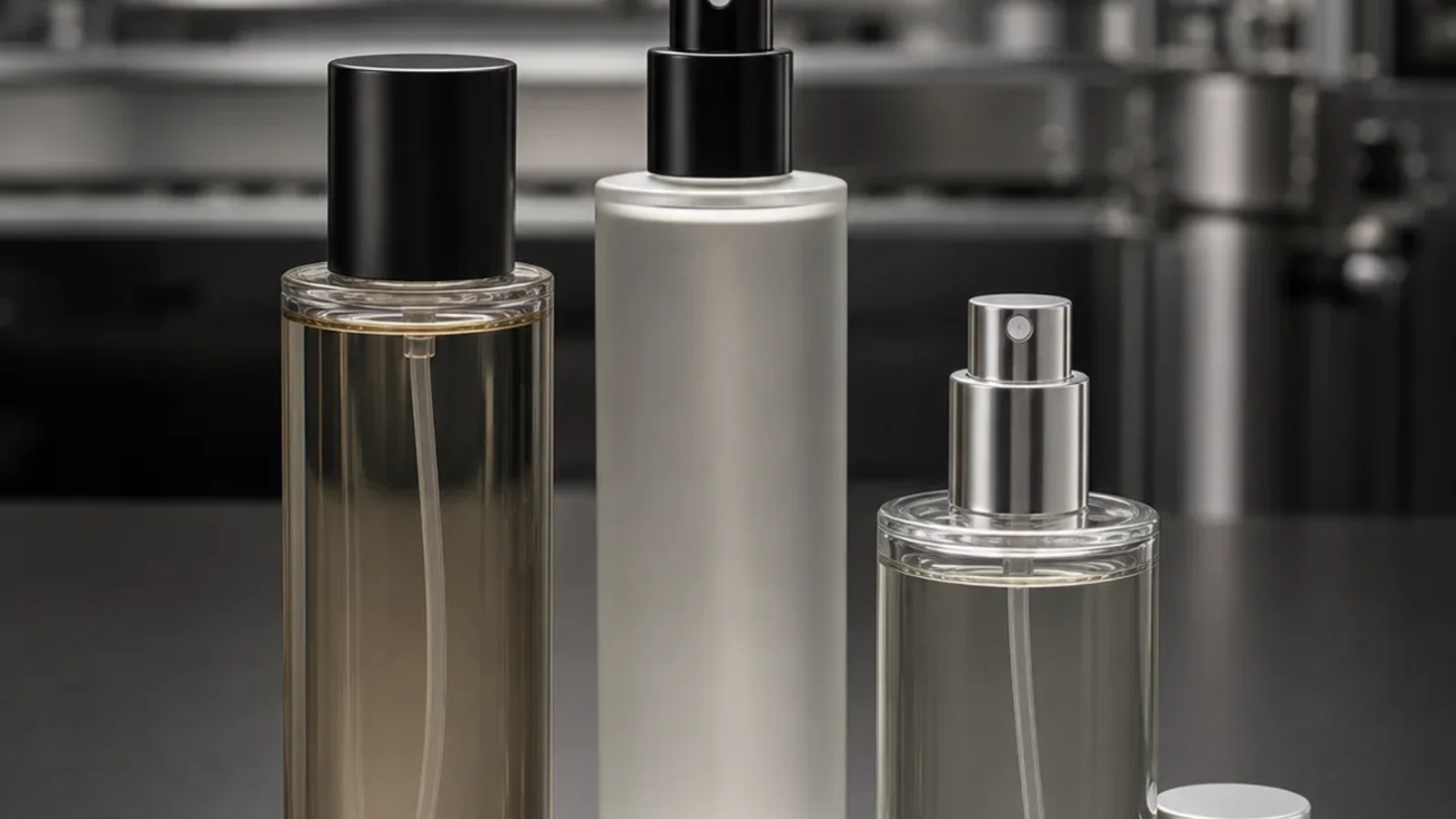
Perfume oil and spray perfume create different customer experiences and different manufacturing projects. Choose by use case, not by assuming one format is universally longer lasting.
Read Full GuideProduction-ready perfume packaging artwork is built on confirmed dimensions and separated by process. A high-resolution image is not a substitute for editable vector files.
Read Full GuideThe best perfume packaging ideas are not the ones with the most finishes. Review the component and approval decisions that affect production.
Read Full Guide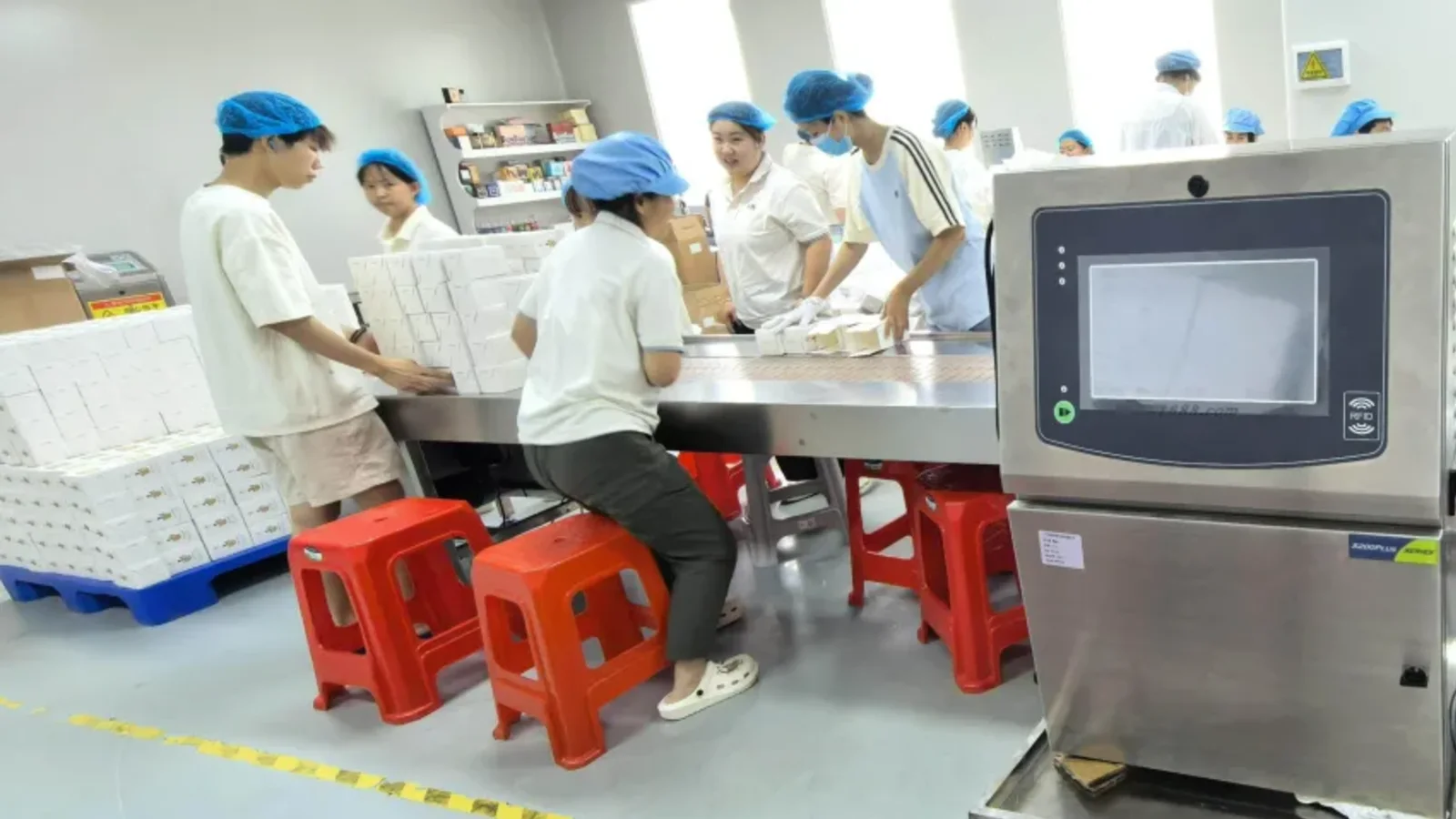
Perfume packaging quality control needs measurable defect definitions. “Looks premium” cannot guide inspectors deciding whether to accept a batch.
Read Full Guide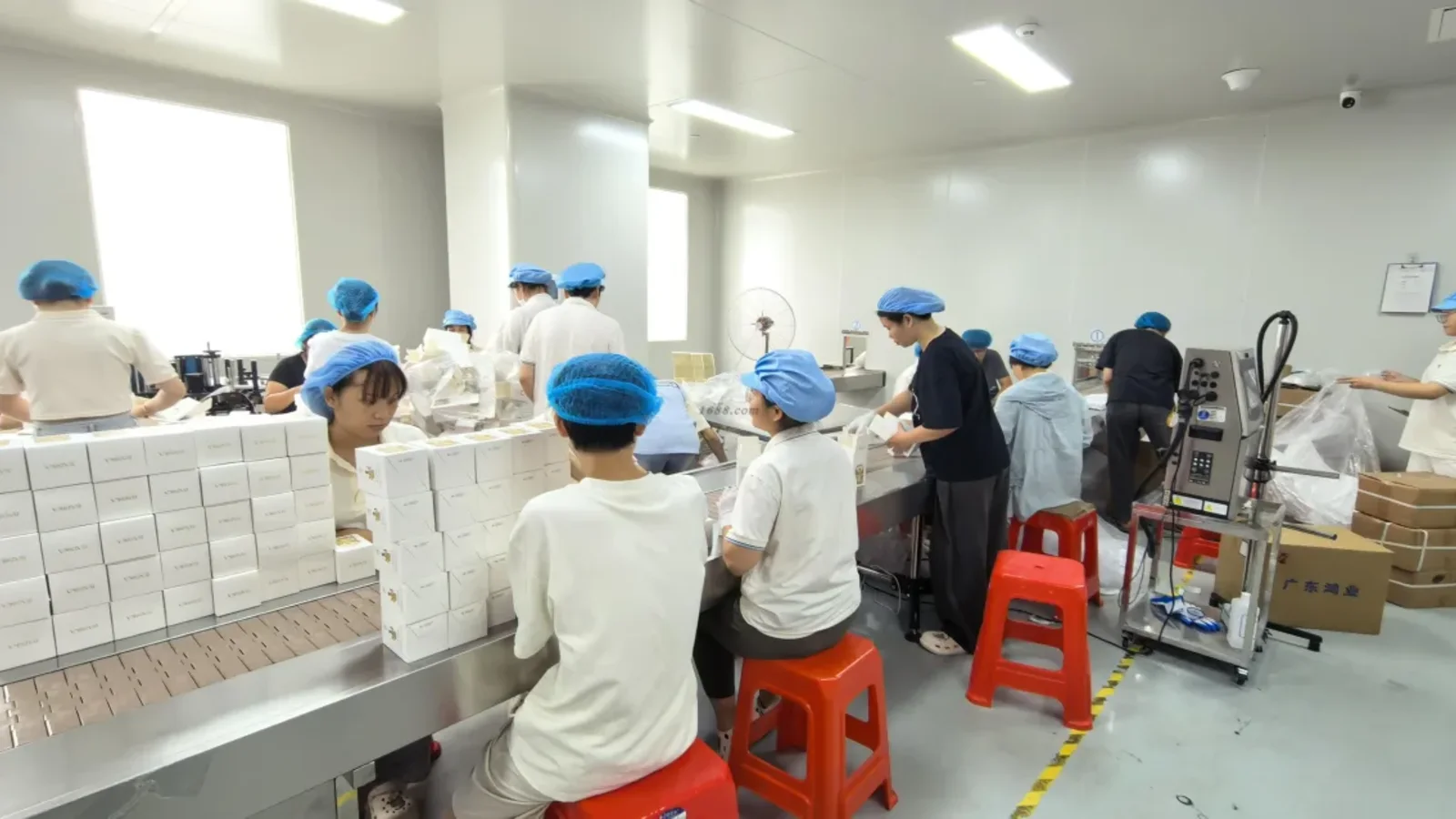
Perfume production lead time is the sum of development, buyer decisions, component procurement, manufacturing and freight—not a single number starting when an inquiry is sent.
Read Full GuidePerfume bottle pump compatibility depends on the complete closure system and liquid, not merely matching a neck diameter.
Read Full GuideA perfume quality control checklist should connect each risk to an observable result and an approved reference.
Read Full Guide
A perfume RFQ should make suppliers quote the same project. Include enough detail to expose assumptions without pretending every design decision is already final.
Read Full GuideGood perfume sample feedback tells the perfumer where the fragrance departs from the brief and what must not be lost during revision.
Read Full GuideWhen a perfume shipment is damaged, preserve evidence before sorting or discarding goods. Carriers, insurers and suppliers need to distinguish transport damage from manufacturing defects.
Read Full GuideA perfume startup budget should protect the launch from two common failures: spending too much on components before the scent is validated, and reserving too little for freight, marketing and repeat inventory.
Read Full GuideWholesale perfume resells an existing brand's finished product; private label perfume places your brand on a product manufactured for your business.
Read Full Guide
A pre-production perfume sample is the first opportunity to approve the complete product: liquid, fill, closure, decoration, label, carton and assembly together.
Read Full GuidePreventing perfume bottle leakage requires control of the bottle neck, pump or closure, gasket, assembly settings, liquid and transport conditions.
Read Full Guide
Private label perfume can help startups test a clear proposition without funding every custom element. Practical guidance for B2B perfume buyers.
Read Full GuidePrivate label, OEM and ODM perfume describe different allocations of development work. Compare control, scope and responsibility before choosing a route.
Read Full GuideSDS, COA and IFRA documents answer different questions. Asking for “all certificates” can leave a buyer with many files but no evidence tied to the approved product.
Read Full GuideSmall batch perfume manufacturing is feasible when the project accepts standardization. The production line may handle a short run, but packaging suppliers still need economical quantities.
Read Full GuideStock perfume packaging buys speed and flexibility. Custom packaging buys differentiation at the cost of tooling, trials, higher component commitments and repeat-order planning.
Read Full GuideUS perfume label requirements should be reviewed on the final bottle and carton, not copied from a competitor.
Read Full GuidePerfume unit cost changes when the formula, component specification, production quantity or included service changes. It should never be compared without those four references.
Read Full GuidePrivate label fragrance lets a brand launch perfume using an existing or readily adaptable product foundation, then apply its own name, packaging and market positioning.
Read Full GuidePerfume is often dangerous goods in transport because alcohol-based formulas can be flammable. Plan responsibilities and transport before goods move.
Read Full GuideStarting a perfume brand is less about finding one attractive scent and more about turning a customer idea into a repeatable product.
Read Full GuideTry a broader term or ask our project team about your sourcing question.