By AROMAMATRIX Laboratory Team
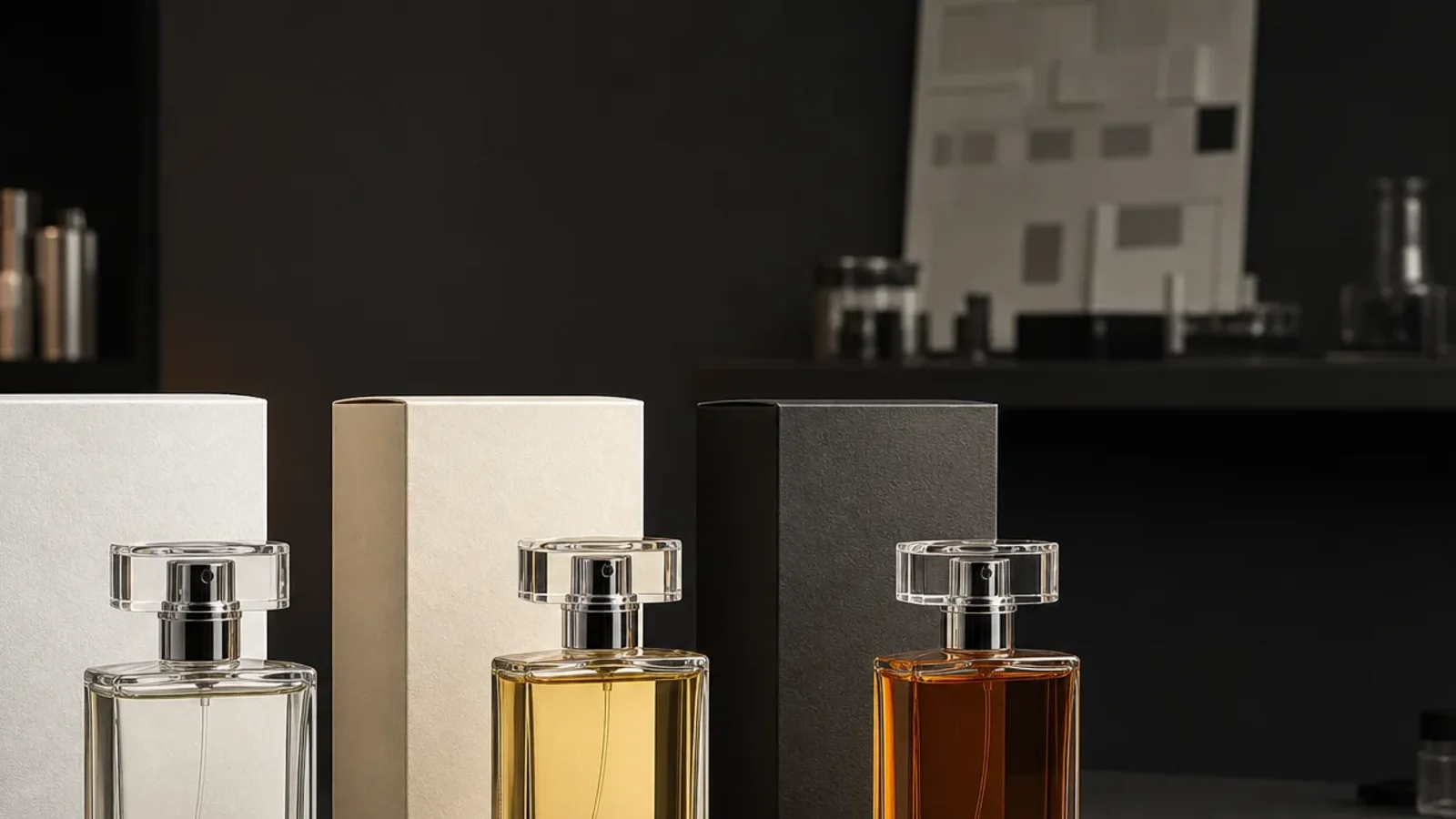
Starting a perfume brand is less about finding one attractive scent and more about turning a customer idea into a repeatable product. Before you request samples, decide who will buy the fragrance, what they should pay, where it will be sold and how much cash can remain tied up in packaging and inventory.
A useful perfume concept can be explained without a mood board: who it is for, when they wear it, what emotional territory the brand owns and why they would choose it over an established fragrance. “Luxury perfume for everyone” gives a perfumer and packaging supplier almost nothing to work with. “A clean woody evening scent for design-conscious men buying online at a mid-premium price” creates real boundaries.
Write the first brief on one page. Include the target market, customer, expected retail price, sales channel, bottle size, concentration direction and two or three scent territories. Add clear dislikes. References can communicate mood and structure, but they should guide an original direction rather than request an identical copy of a branded perfume.
Private label, OEM and ODM projects require different levels of time, input and approval. A private-label launch normally uses suitable existing fragrance directions and available components, then adds the buyer’s branding. It is often the most practical route for testing a market. ODM adds fragrance and packaging development from a brand brief. OEM or contract processing is appropriate when the buyer already controls a formula, component supply, artwork or technical specification.
AROMAMATRIX uses 2000 pieces as a typical starting point for suitable private-label projects and 3,000 pieces for customized fragrance projects. These are planning references, not universal guarantees. A pump, decorated bottle, special cap or printed carton can impose its own minimum. Projects below 2000 pieces can be reviewed through WhatsApp, but usually need standard components and simpler finishes.
The finished cost is a combination of fragrance concentrate, alcohol or carrier, bottle, pump, cap, decoration, label, carton, insert, filling, assembly, inspection and export packing. Tooling, artwork setup, samples, testing and freight may sit outside the unit price. Ask every supplier to quote the same concentration, size, quantity and delivery term before comparing numbers.
For a first launch, invest in the elements customers experience directly: a coherent scent, reliable spray, clean decoration and a box that protects the bottle. A new glass mold can create a distinctive silhouette, but it adds tooling, trials, higher component quantities and schedule risk. Stock glass with a thoughtful coating, print, cap and carton can look proprietary without making the first order unnecessarily complex.
A fragrance evaluation sample tells you whether the scent direction is right. It does not prove that the final pump sprays correctly, the coating matches the artwork or the carton protects the bottle. Treat fragrance approval, component approval and the finished pre-production sample as separate decisions.
The normal AROMAMATRIX evaluation set contains 3 × 10ml fragrance samples. Basic sample preparation is free, while the buyer pays the actual courier cost after the route is quoted. Preparation usually takes 5–7 business days once the brief and shipping details are confirmed. Evaluate coded samples over several wearings, record the opening and dry-down separately, and identify what should remain unchanged before requesting a revision.
The manufacturing factory can provide available formula, batch and safety-related documents, but the party placing the product on the market remains responsible for local obligations. In the United States, cosmetic facility registration or product listing is not FDA product approval. In the European Union, the Responsible Person and CPNP workflow must be planned with the product safety file and final label.
Alcohol-based perfume also needs a transport review. Formula data, flash point, bottle size, quantity and route affect dangerous-goods classification and carrier acceptance. Choose the importer, regulatory reviewer and freight partner early enough that their requirements can influence the label, cartons and shipment plan.
Do not treat a material-purchasing estimate as the total lead time. A realistic schedule includes fragrance sampling, feedback, packaging selection, artwork, physical proofs, component procurement, pre-production approval, production, inspection, freight booking and destination customs. Buyer decision time is part of this schedule too.
A focused first collection is easier to control than many unrelated SKUs. One or two fragrances sharing the same bottle and packaging system can reduce component complexity while still giving the brand a meaningful launch story. Once customers confirm which scent and format they want, the second order is a better time to add custom molds, gift sets or additional finishes.
If you already know the target market, product format and approximate quantity, use the project inquiry form to organize those details before requesting a manufacturing review.