By AROMAMATRIX Project Team
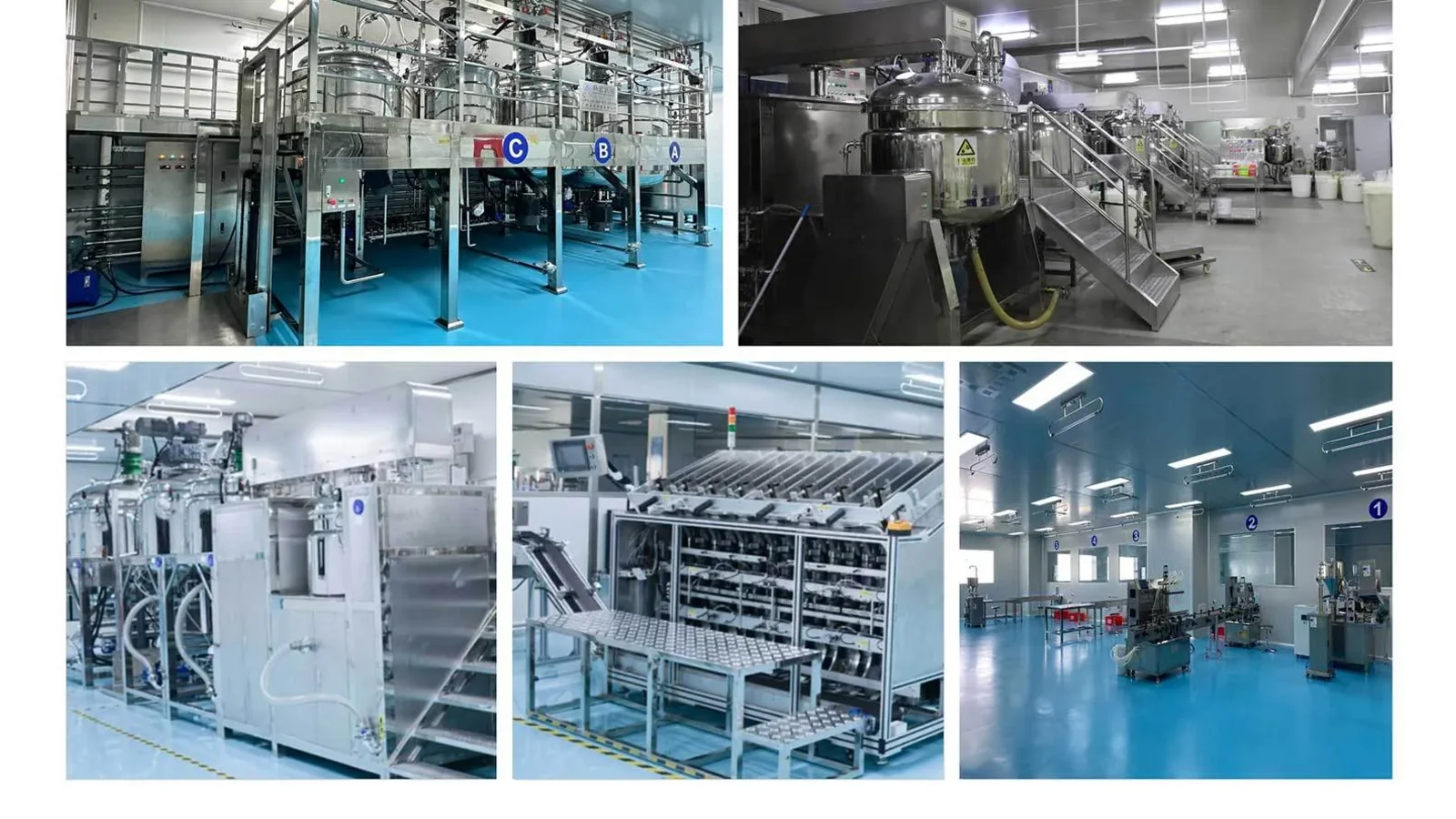
Searching for “OEM perfume China” produces factories, traders and packaging suppliers using overlapping language. Buyers should verify the actual manufacturing scope before comparing prices.
Ask who develops or supplies the fragrance, compounds the liquid, sources bottles, decorates components, fills, assembles and exports the goods. Outsourcing is normal, but responsibility must be visible. Request the legal contracting entity, production location and a live or recorded walkthrough that matches the quoted process.
Include destination market, product format, concentration direction, bottle size, quantity, packaging references, required decoration and target launch date. Mark items that are optional. This prevents suppliers from filling gaps with different assumptions and returning prices that cannot be compared.
Do not approve formula, bottle and printed packaging in one vague message. Use coded fragrance samples, component samples, artwork proofs and a finished pre-production unit. Record the approved revision and define what triggers new approval.
For export perfume, discuss regulatory documents and dangerous-goods shipping before mass production. The buyer or appointed responsible party retains destination-market obligations; the Chinese OEM supports with available factory, formula and batch information.